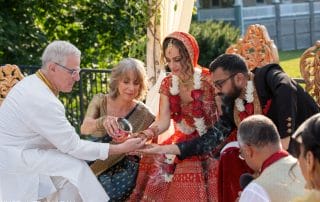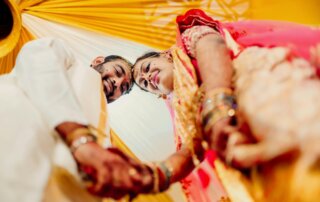
Couples often come together from different faiths, cultures, and family traditions. For many interfaith couples, weaving Jewish customs into their wedding ceremony creates a beautiful bridge between heritage and modern love. With guidance from an experienced officiant, you can adapt certain Jewish wedding traditions, creating a celebration that feels authentic to you and your loved ones.
Jewish Wedding Traditions for an Interfaith Ceremony
Blended wedding ceremonies thrive on communication, understanding, and respect. When couples take the time to learn about each other’s faith traditions and share what holds personal meaning, the result is harmonious and heartfelt.
Jewish customs can be thoughtfully incorporated into interfaith weddings in ways that honor both partners’ identities. With the right approach, these traditions elevate the ceremony, creating moments that feel timeless, inclusive, and uniquely personal.
Modern Ways to Blend Traditions with Meaning and Style
While Jewish wedding customs have deep roots, couples are finding creative ways to make them feel personal. Thoughtful planning, a sensitive officiant, and a venue attuned to detail help bring these blended celebrations to life.
Dual Officiants: A rabbi and a minister (or secular officiant) co-leading the ceremony allows each partner’s faith to be represented. The officiants can alternate readings, share reflections on unity, or offer complementary blessings. This approach reinforces the message that love transcends religious boundaries while honoring each partner’s background.
Shared Rituals: Blending familiar symbols can create memorable moments. Couples might choose to stand beneath a chuppah and later light a unity candle. Or they may share the traditional wine blessing followed by a personal vow exchange. These combinations weave traditions together in an emotionally resonant way.
Personalized Readings and Music: Interfaith ceremonies offer an open canvas for expression. Couples may select readings from both religious texts and poetry or literature that reflects their shared values. Music, too, can echo both backgrounds. The result feels deeply intentional.
More Ways to Blend Traditions
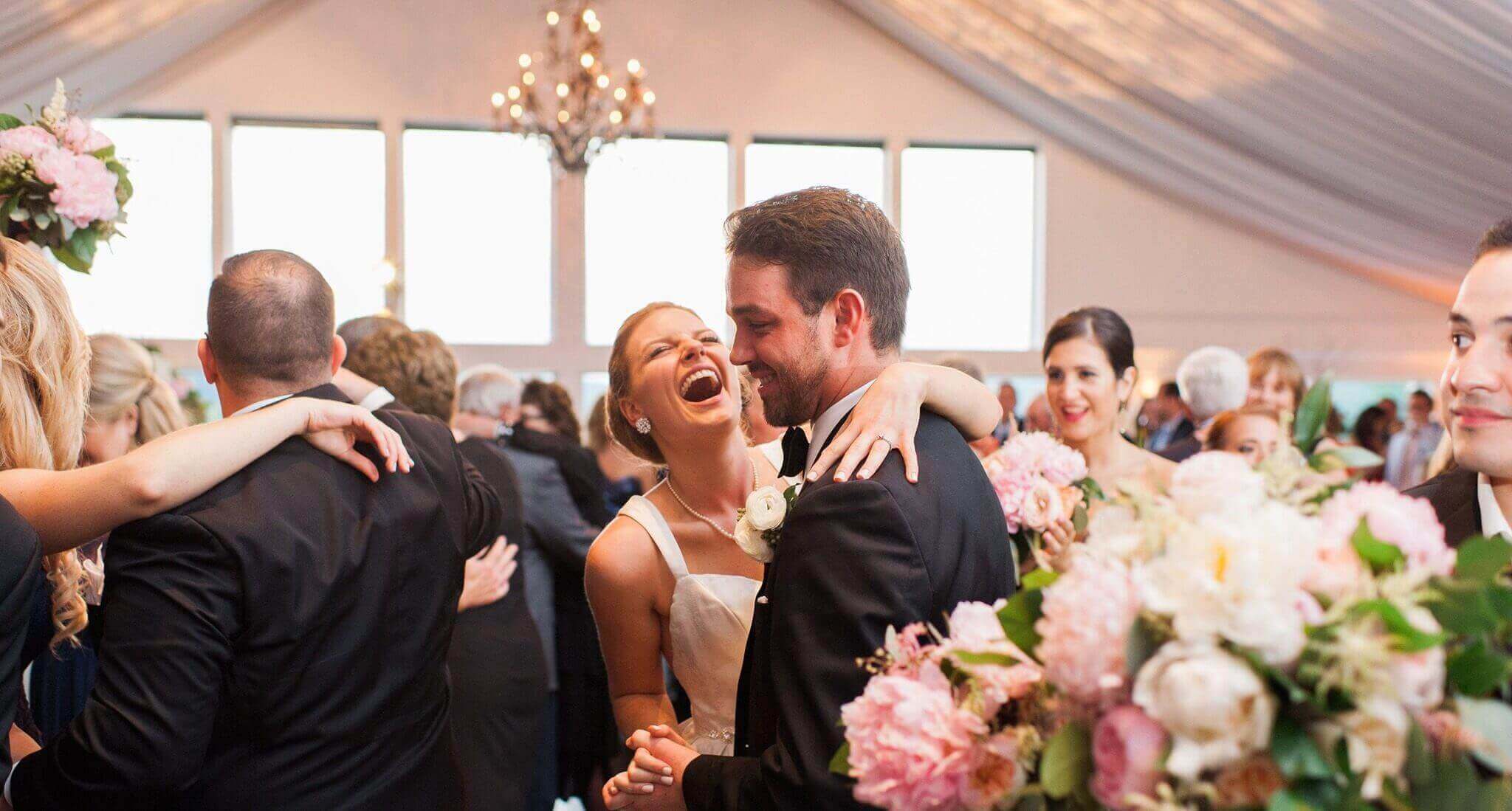
Cultural Touches at the Reception: Reception traditions bring joy and heritage to life. Many couples include the hora — the lively chair dance that gets everyone celebrating — alongside music or rituals that represent the non-Jewish partner’s heritage. Blending these elements creates a sense of community that guests will remember fondly.
Educational Moments: A brief explanation of customs during the ceremony or in the program helps guests understand the significance of what they’re witnessing. This small act turns tradition into shared experience, inviting everyone — regardless of faith — to celebrate the meaning of the moment.
Appropriate Jewish Wedding Traditions to Include
The Chuppah: A chuppah, or wedding canopy, represents the couple’s new home — open on all sides as a sign of hospitality and community. It’s one of the most universal and beloved Jewish symbols, easily adapted for interfaith ceremonies. Many couples personalize their chuppah with meaningful fabrics or heirlooms. And having both officiants stand beneath the canopy reinforces the sense of unity.
Wine Blessings: In Jewish weddings, two cups of wine are blessed and shared, symbolizing sanctification and joy. The wording of the blessing can be adapted to reflect the couple’s shared gratitude rather than a specific religious invocation. Some couples pair the blessing over wine with another unity ritual, such as lighting a candle, blending sand, or offering personal vows.
Breaking the Glass: Perhaps the most recognized Jewish wedding custom, breaking the glass is a poignant reminder that joy and sorrow coexist. It traditionally recalls the destruction of the Temple in Jerusalem, reminding guests to cherish love even amid life’s imperfections. The officiant can briefly explain the meaning before the moment. Some couples each break a glass together — a lovely symbol of shared responsibility and strength — and later incorporate the shards into a keepsake or piece of art.
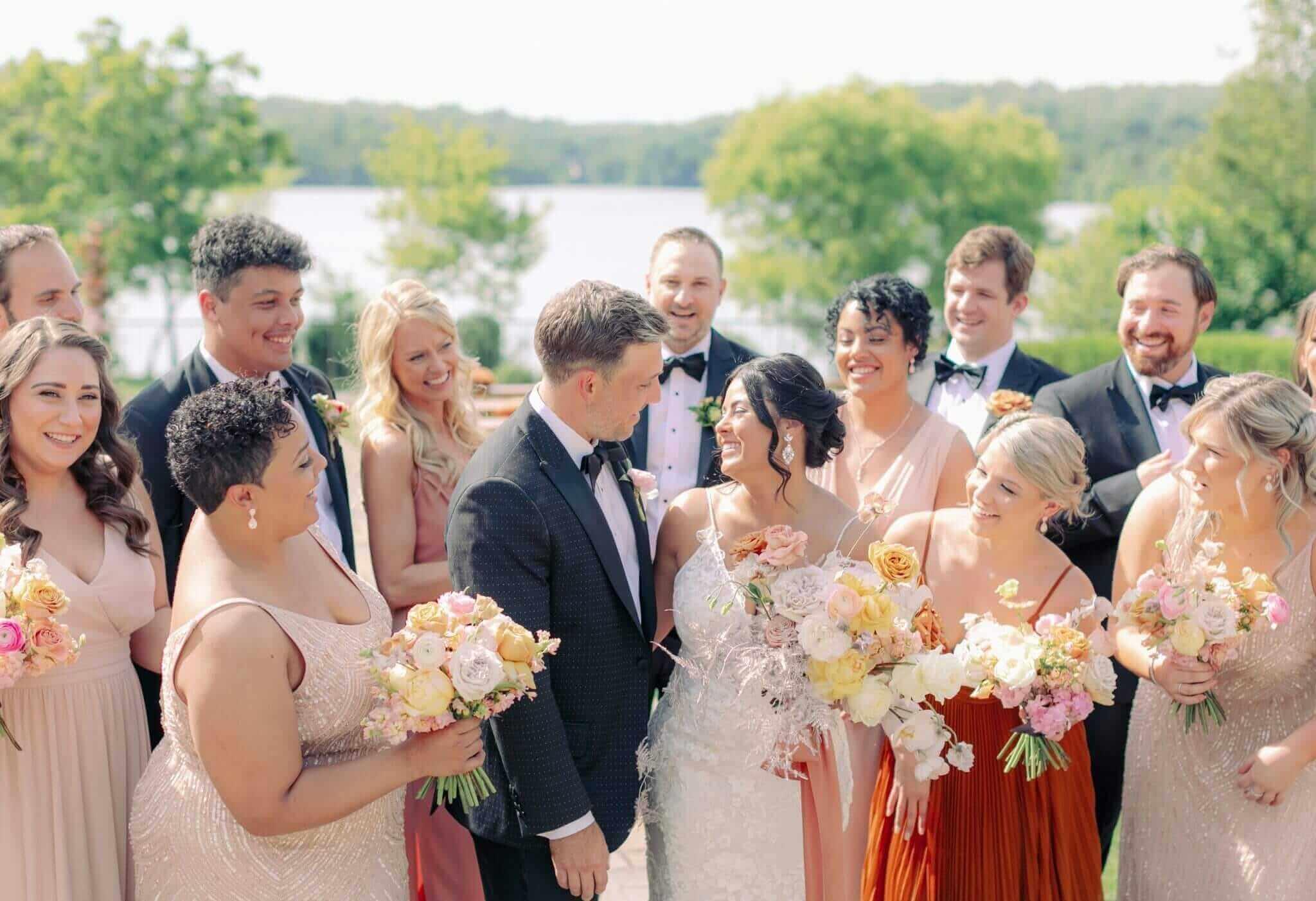
Include these Traditions for a Special Ceremony
Circling the Groom: In traditional ceremonies, the bride circles the groom seven times, symbolizing the creation of a new household and spiritual bond. Many interfaith couples choose to circle each other — three times each, then once together — to represent equality, protection, and unity. This adaptation keeps the beauty of the ritual.
The Ketubah: The ketubah, or marriage contract, dates back thousands of years. Historically, it outlined the husband’s obligations to his wife, but modern ketubot have evolved into works of art and personal expression. Interfaith couples often choose an egalitarian or contemporary ketubot written in inclusive language. The document can be read aloud during the ceremony or displayed at the reception — a meaningful reminder of their promises to one another.
The Sheva Brachot (Seven Blessings): Traditionally, the seven ancient blessings are recited over the couple under the chuppah, celebrating creation, joy, and divine love. For interfaith ceremonies, couples can reinterpret these blessings by inviting friends or family members to offer seven personalized reflections or wishes, focusing on themes such as friendship, laughter, compassion, and family.
Traditions Best Left to Jewish Weddings
While many Jewish customs can be adapted for an interfaith celebration, a few rituals are best reserved for ceremonies between two Jewish partners. These elements are rooted in specific religious obligations or liturgical requirements. Understanding where those boundaries lie ensures the ceremony remains comfortable for all involved.
Traditional or Halachic Ketubah: The original ketubah is a legal contract written in Aramaic, detailing the husband’s obligations under Jewish law. Because it’s a binding religious document, it’s not suitable for an interfaith wedding. Most blended couples instead choose a version that reflects shared values and mutual commitment.
Full Jewish Liturgy: Ceremonies conducted entirely in Hebrew or using traditional Jewish prayers are designed for Jewish religious contexts. In an interfaith setting, using inclusive readings or modern English blessings can preserve the spirit of sanctity.
Orthodox or Conservative Rabbinic Officiation: Orthodox and most Conservative rabbis cannot officiate interfaith weddings under current religious guidelines. Couples wishing to include a rabbi should seek a Reform, Reconstructionist, or Humanistic rabbi. Many specialize in interfaith ceremonies and approach them with warmth and flexibility.
Ceremonies Held in a Synagogue: Because many synagogues adhere to religious rules governing marriage, interfaith couples may find that their ceremony cannot take place there. However, hosting at a neutral yet elegant venue provides the freedom to personalize while maintaining an atmosphere of reverence and celebration.
Celebrate Your Love Story at The Lake House Inn
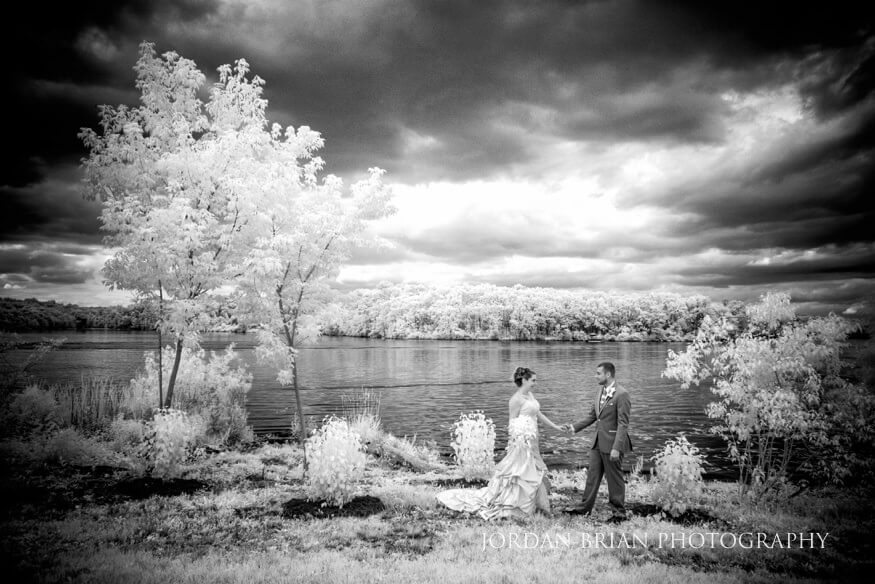
Surrounded by the tranquil beauty of Lake Nockamixon, The Lake House Inn offers an unforgettable Pennsylvania destination wedding venue near Philadelphia. The lakefront ceremony space provides a serene backdrop for exchanging vows beneath a chuppah, canopy, or floral arch. And the grand ballroom welcomes up to 300 guests for an evening of celebration, complete with refined service, exceptional cuisine, and panoramic lake views.
Whether you envision a ceremony that blends Jewish traditions with those of another faith or simply wish to honor your shared heritage in a meaningful way, our Bucks County wedding venue provides the flexibility, expertise, and atmosphere to make it all possible.
Plan your interfaith wedding with grace, beauty, and inclusivity. Contact our event team to schedule a private tour.